5 Garage Door Problems That Get Worse During Las Vegas Winters
As winter settles in Las Vegas, the cooler temperatures bring a welcome relief from the intense summer heat. However, the significant temperature swings—from pleasant 70-degree afternoons to chilly 30-degree nights—can create a unique set of challenges for your garage door repair in Las Vegas. Problems that were minor annoyances in the fall can quickly become major issues that leave you stuck outside on a cold morning or dealing with an emergency repair during the busy holiday season. If you need immediate assistance, check out our comprehensive emergency service information.
Understanding these common winter problems and knowing how to address them can save you time, money, and frustration. Here are five garage door problems that get worse during Las Vegas winters, along with practical solutions for each.
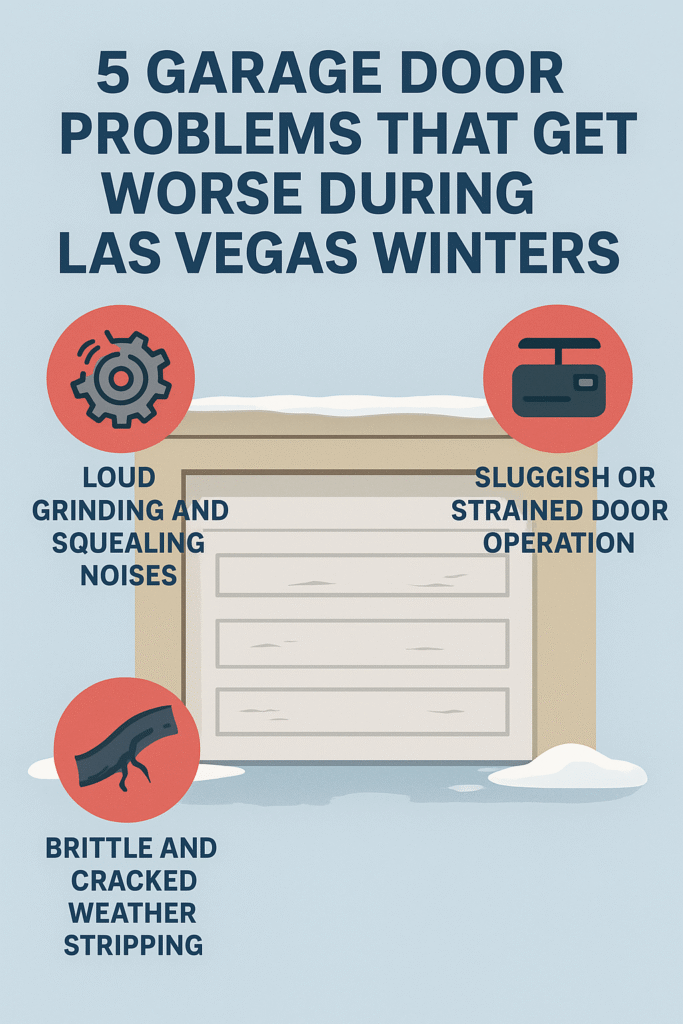
1. Loud Grinding and Squealing Noises
The Problem: Metal contracts in the cold. The springs, rollers, hinges, and tracks of your garage door are all made of metal. As temperatures drop overnight, these parts shrink slightly, increasing friction between components. This leads to loud, unpleasant grinding, squealing, or popping noises when you open or close the door—especially on those first cold mornings of winter. For complete information about spring types, repair costs, and safety guidelines, see our garage door spring replacement guide.
These noises aren’t just annoying; they’re also a warning sign. Increased friction means increased wear on your garage door components, which can lead to premature failure if left unaddressed. The springs, in particular, are under tremendous tension and can become more brittle in cold weather, making them more susceptible to breaking.
The Solution: Proper lubrication is key to solving this problem. Apply a high-quality, silicone-based garage door lubricant to all moving parts, including the springs, rollers, hinges, and tracks. Unlike grease or oil, a silicone spray won’t harden in the cold or attract the fine dust common in the Las Vegas desert. A thorough lubrication can dramatically quiet a noisy door and extend the life of your components.
If you’re not comfortable performing this maintenance yourself, or if the noises persist after lubrication, consider scheduling a professional annual maintenance service. Our technicians can identify any underlying issues and ensure your door operates smoothly and quietly all winter long.
2. Sluggish or Strained Door Operation
The Problem: If your garage door seems to move slower than usual, or if the opener motor sounds like it’s struggling and working harder than normal, hardened grease could be the culprit. Old lubricants or the wrong type of grease (like standard WD-40, which is a solvent rather than a lubricant) can become thick and gummy in cold weather. This forces your opener to work much harder to move the door, putting unnecessary strain on the motor and potentially shortening its lifespan. For detailed information about opener selection, installation, and troubleshooting, check our Las Vegas garage door opener guide.
A sluggish door isn’t just inconvenient—it’s also a sign that your opener is working overtime. This extra strain can lead to premature motor failure, which is a much more expensive repair than a simple cleaning and lubrication. Additionally, if your door is moving slowly, it may not close completely, leaving your garage vulnerable to drafts, pests, and even security concerns.
The Solution: Before applying new lubricant, take the time to clean the old, hardened grease from the garage door tracks and rollers. Use a clean cloth and a mild solvent to remove the buildup. Once the tracks are clean, apply a fresh coat of appropriate silicone-based lubricant. This will allow the door to move freely, reducing strain on the motor and preventing premature failure.
If your opener continues to struggle even after cleaning and lubrication, it may be time for a professional inspection. Our team can assess whether your opener needs repair or replacement and ensure your system is operating at peak efficiency.
3. Brittle and Cracked Weather Stripping
The Problem: The rubber weather seal at the bottom of your garage door is your first line of defense against drafts, dust, and pests. The combination of Las Vegas’s dry desert air and cold winter nights can cause this rubber to become brittle, cracked, and ineffective. When the weather stripping fails, you’ll notice cold air seeping into your garage, along with dust and potentially even small pests looking for a warm place to spend the winter.
A drafty garage isn’t just uncomfortable—it can also lead to higher energy bills if your garage is attached to your home. The cold air infiltrating your garage can make adjacent rooms harder to heat, forcing your HVAC system to work overtime. Additionally, damaged weather stripping can allow moisture to enter your garage, potentially causing damage to stored items or creating conditions for mold growth.
The Solution: Visually inspect the entire length of the weather stripping at the bottom of your door. Run your hand along it to check for cracks, tears, or areas that feel hard and inflexible. If you see visible damage or if the seal no longer feels pliable, it’s time for a replacement. A new, flexible seal will keep your garage better insulated and protected from the elements, potentially saving you money on energy costs.
Weather stripping replacement is a relatively simple and affordable repair that can make a significant difference in your garage’s comfort and energy efficiency. If you’re interested in maximizing your garage’s insulation, check out our guide on garage door insulation for Las Vegas winters.
4. Unresponsive Remotes and Keypads
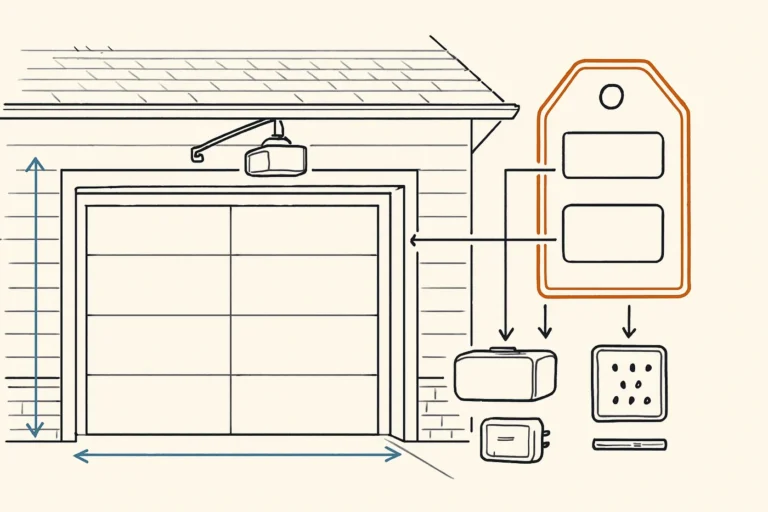
The Problem: Cold temperatures reduce the chemical efficiency of batteries. A remote or wireless keypad that worked perfectly in October might suddenly become unresponsive on a cold December morning. This is one of the most common and frustrating winter garage door issues, often leaving homeowners stranded outside their garage, frantically pressing buttons that refuse to work.
While this problem is usually simple to fix, it can be incredibly inconvenient if it happens at the wrong time—like when you’re rushing to work on a cold morning or returning home late at night. The good news is that it’s also one of the easiest problems to prevent with a little proactive maintenance.
The Solution: This is an easy fix that requires minimal time and effort. Proactively replace the batteries in all your garage door remotes and wireless keypads at the beginning of the winter season, even if they still seem to be working fine. Keep a few spare batteries on hand just in case. This simple step can save you from the frustration of dealing with a dead remote on a cold morning.
If you’ve replaced the batteries and your remote or keypad still isn’t working, there may be a more serious issue with your garage door opener system. In that case, it’s best to call a professional for diagnosis and repair.
5. Misaligned Photo-Eye Sensors
The Problem: The small safety sensors at the bottom of your garage door track must be perfectly aligned to work properly. These sensors are a critical safety feature that prevents the door from closing if something (or someone) is in the way. Cold weather can cause the garage door frame or the sensor brackets themselves to contract and shift slightly. Even a minor misalignment—sometimes just a millimeter or two—can interrupt the infrared beam between the sensors, causing the door to reverse and refuse to close.
This problem is particularly frustrating because the door will open normally, but when you try to close it, it reverses immediately or refuses to move at all. Many homeowners don’t realize that temperature-related frame contraction can cause this issue, and they may spend considerable time troubleshooting before discovering the simple solution.
The Solution: Check the small LED lights on each sensor—they should both be solid (not flickering or off). If one is off or blinking, gently adjust the sensor bracket until the light becomes solid again. You may need to loosen the mounting screw slightly to adjust the angle, then tighten it once the sensors are properly aligned. Also, make sure to wipe the sensor lenses clean of any dust or debris that may have accumulated, as even a thin layer of dust can interfere with the infrared beam.
These photo-eye sensors are an essential safety feature, so it’s important to ensure they’re working correctly. For more information about garage door safety features and how they protect your family, visit our garage door safety guide.
Protect Your Investment with the Diamond Service Club
Winter garage door problems don’t have to catch you off guard. By joining our exclusive Diamond Service Club, you’ll receive annual preventive maintenance that addresses all of these common winter issues before they become emergencies. Members enjoy priority scheduling, discounts on repairs, and the peace of mind that comes from knowing their garage door is always in peak condition. It’s the smartest way to protect your investment and avoid costly emergency repairs during the coldest months of the year.
Don’t Let Winter Win – Schedule a Tune-Up
If you’ve tried these solutions and are still experiencing issues, or if you’d rather leave the maintenance to the professionals, it’s time to schedule a winter tune-up with A Plus Garage Door. Our expert technicians have seen every winter-related garage door problem imaginable, and we have the knowledge and tools to diagnose and fix these issues quickly and effectively.
Our comprehensive annual maintenance service includes a 24-point inspection, complete lubrication of all moving parts, safety testing, and adjustments to ensure your door operates smoothly and reliably all season long. We’ll catch potential problems before they turn into expensive emergencies, saving you time, money, and frustration.
Don’t wait until you’re stuck outside on a cold morning or dealing with a broken spring during the holiday season. Contact A Plus Garage Door today to schedule your winter tune-up and ensure your garage door is ready for whatever Las Vegas winter throws at it.
What Our Las Vegas Customers Say
Frequently Asked Questions About Winter Garage Door Problems
Why does my garage door only have problems in the morning?
This is a classic sign of cold-related issues. Overnight, temperatures are at their lowest, causing metal to contract and lubricants to thicken. As the day warms up, these problems often lessen or disappear entirely. This is a strong indicator that your door needs lubrication and a professional tune-up to address the underlying issues.
Can a cold snap cause a garage door spring to break?
Yes, it absolutely can. Torsion springs are under immense tension—often hundreds of pounds of force—and the cold can make the metal more brittle. If a spring is already old and worn from years of use, the added stress from contracting in the cold can be the final straw that causes it to break. A broken spring is a dangerous situation that always requires professional repair. Never attempt to replace a garage door spring yourself, as the stored energy can cause serious injury.
Is it worth getting a garage door tune-up just for winter?
Absolutely. A professional tune-up addresses all these common winter issues and more. It ensures your door is safe, quiet, and reliable, preventing you from being stuck with a non-functioning door on a cold morning or during the busy holiday season. The cost of a tune-up is minimal compared to the expense and inconvenience of an emergency repair, especially during the holidays when service calls are in high demand.
How often should I lubricate my garage door?
We recommend lubricating your garage door at least twice a year—once before winter and once before summer. In Las Vegas, where temperature extremes are common, this regular maintenance is especially important. If you hear any unusual noises or notice the door operating less smoothly than usual, it’s a good idea to apply lubricant right away rather than waiting for your scheduled maintenance.
What should I do if my garage door won’t close at all?
If your garage door won’t close, first check the photo-eye sensors to ensure they’re aligned and clean. If the sensors look fine, check for any obstructions in the door’s path. If you still can’t identify the problem, it’s time to call for professional help. A garage door that won’t close is a security concern and should be addressed immediately. A Plus Garage Door offers 24/7 emergency service for situations just like this.